Lifting equipment such as cranes, hoists, slings, hooks, and shackles are essential for many industrial operations. Because these assets handle heavy loads, they require regular inspection to ensure they remain safe, reliable, and compliant with industry requirements.
1. Protect Workers and Equipment
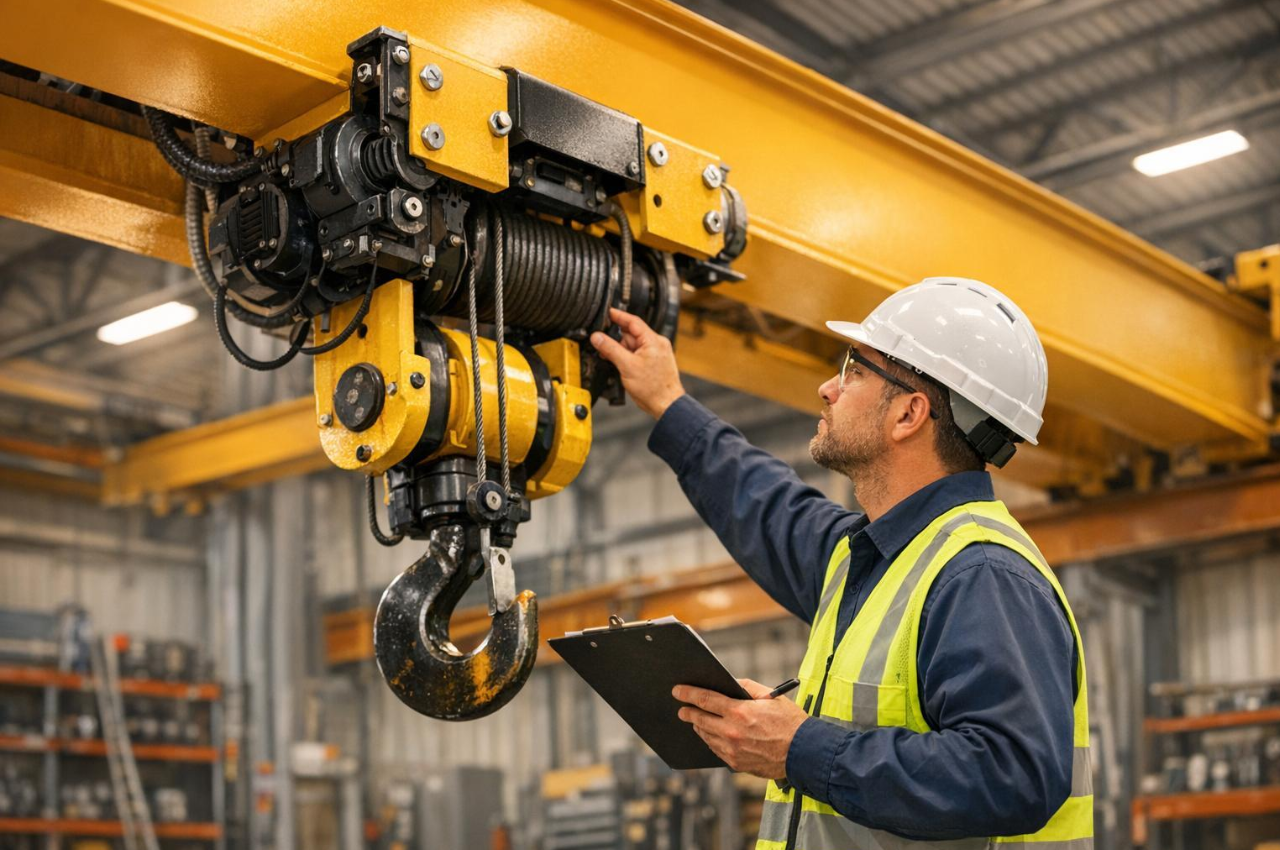
Damaged lifting accessories or improperly maintained equipment can create serious safety hazards. Routine inspections help identify wear, deformation, corrosion, cracks, and other defects before lifting operations begin.
2. Ensure Safe Lifting Operations
Professional inspections verify that lifting equipment is suitable for continued use. Functional checks and visual assessments help ensure equipment operates safely under normal working conditions.
3. Support Project Compliance
Construction, oil & gas, and industrial projects often require documented inspections before equipment is approved for site use. Third-party inspection reports help contractors demonstrate compliance with project and client requirements.
4. Minimize Project Delays
Equipment failures during lifting operations can stop work, damage materials, and create unexpected costs. Preventive inspections reduce the risk of breakdowns, allowing projects to continue safely and efficiently.
Conclusion
Regular lifting equipment inspections are a critical part of every industrial safety program. By ensuring equipment is inspected, documented, and maintained, businesses can improve workplace safety, maintain compliance, and support successful project execution.