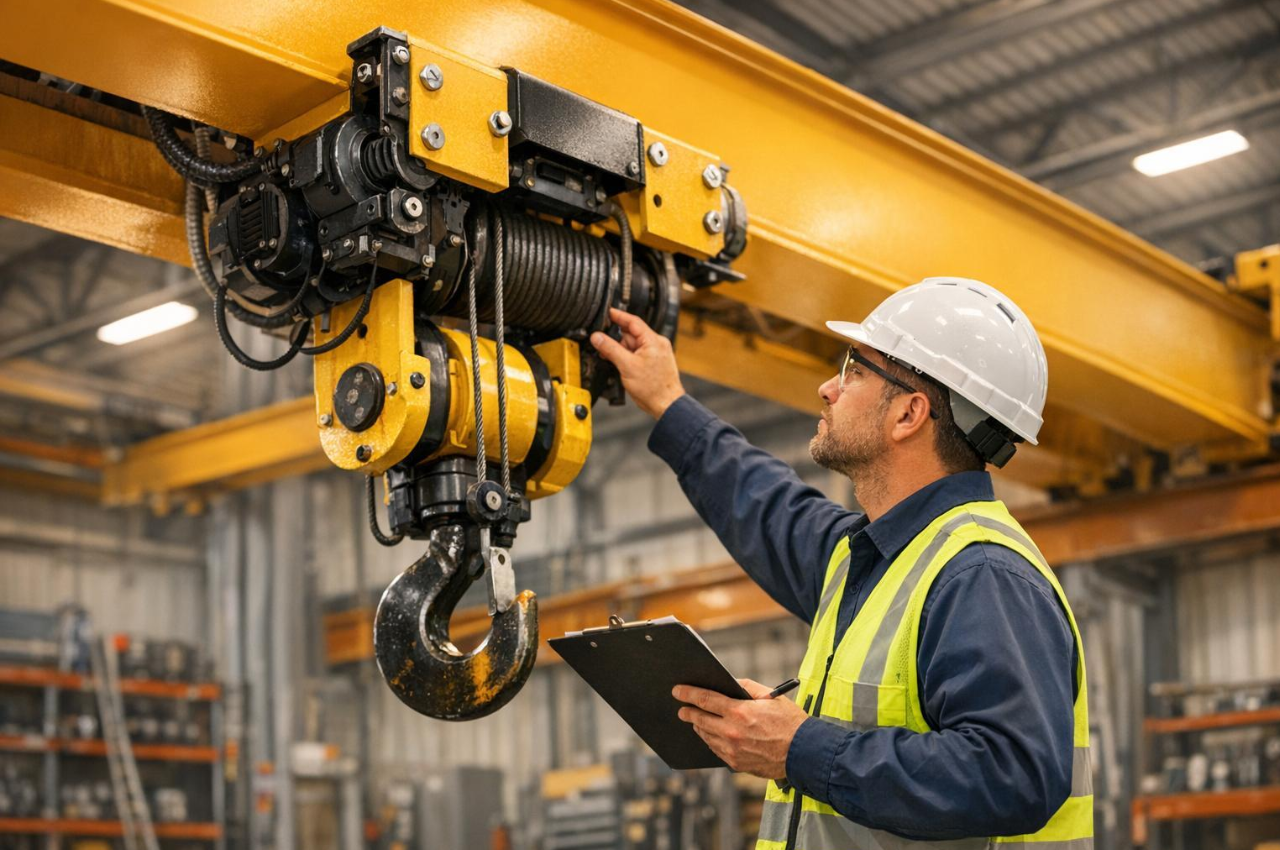
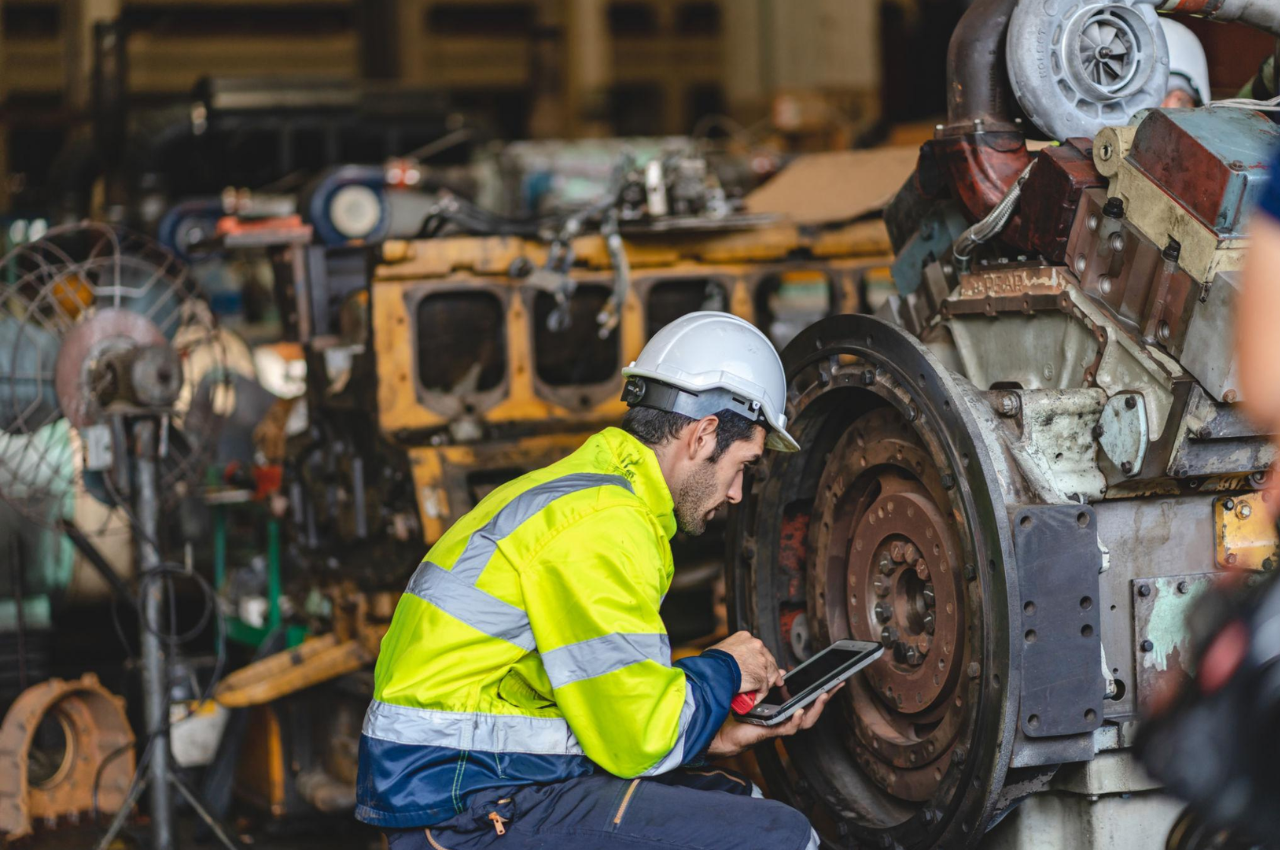
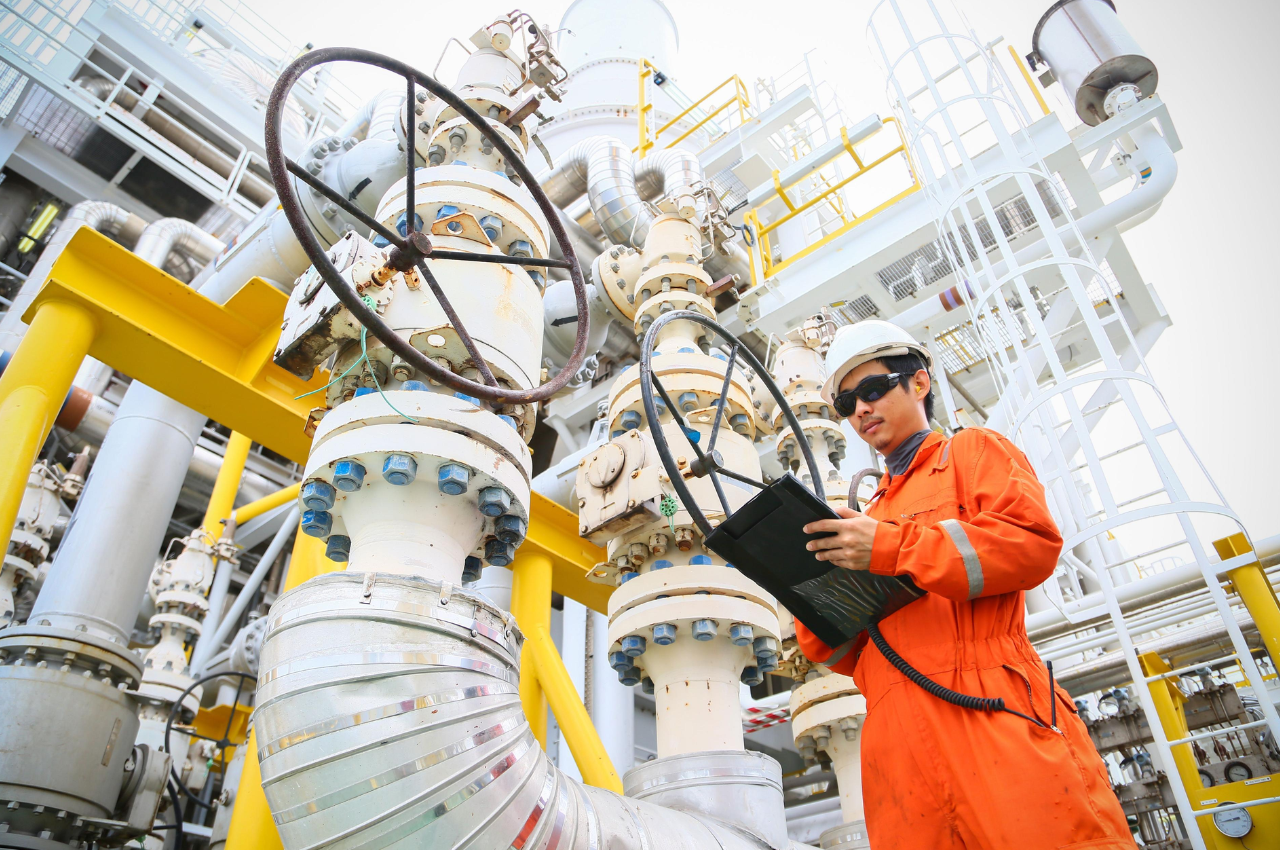
Industrial operations rely on equipment that performs efficiently every day. Unexpected machinery failures can disrupt schedules, increase expenses, and impact project deadlines. Regular inspections provide valuable insight into equipment condition, allowing businesses to plan maintenance and minimize operational interruptions.
1. Detect Problems Before They Escalate
Routine inspections identify loose connections, damaged parts, excessive wear, and operational defects before they become serious failures. Early detection allows maintenance teams to perform timely repairs and avoid costly emergencies.
2. Extend Equipment Service Life
Proper inspection and maintenance help preserve machinery performance and reduce unnecessary wear. Equipment that is inspected regularly generally lasts longer and delivers more reliable performance throughout its service life.
3. Improve Operational Efficiency
Reliable equipment allows projects to progress without unexpected delays. Regular inspections help businesses schedule maintenance during planned downtime instead of reacting to sudden breakdowns.
4. Support Better Maintenance Planning
Inspection reports provide valuable information for maintenance scheduling, spare parts planning, and equipment replacement decisions. This proactive approach improves overall asset management and budget planning.
Conclusion
Regular equipment inspections are a proactive strategy for improving productivity and reducing operational risks. Investing in preventive inspections helps businesses keep equipment running safely while lowering maintenance costs and avoiding unnecessary downtime.